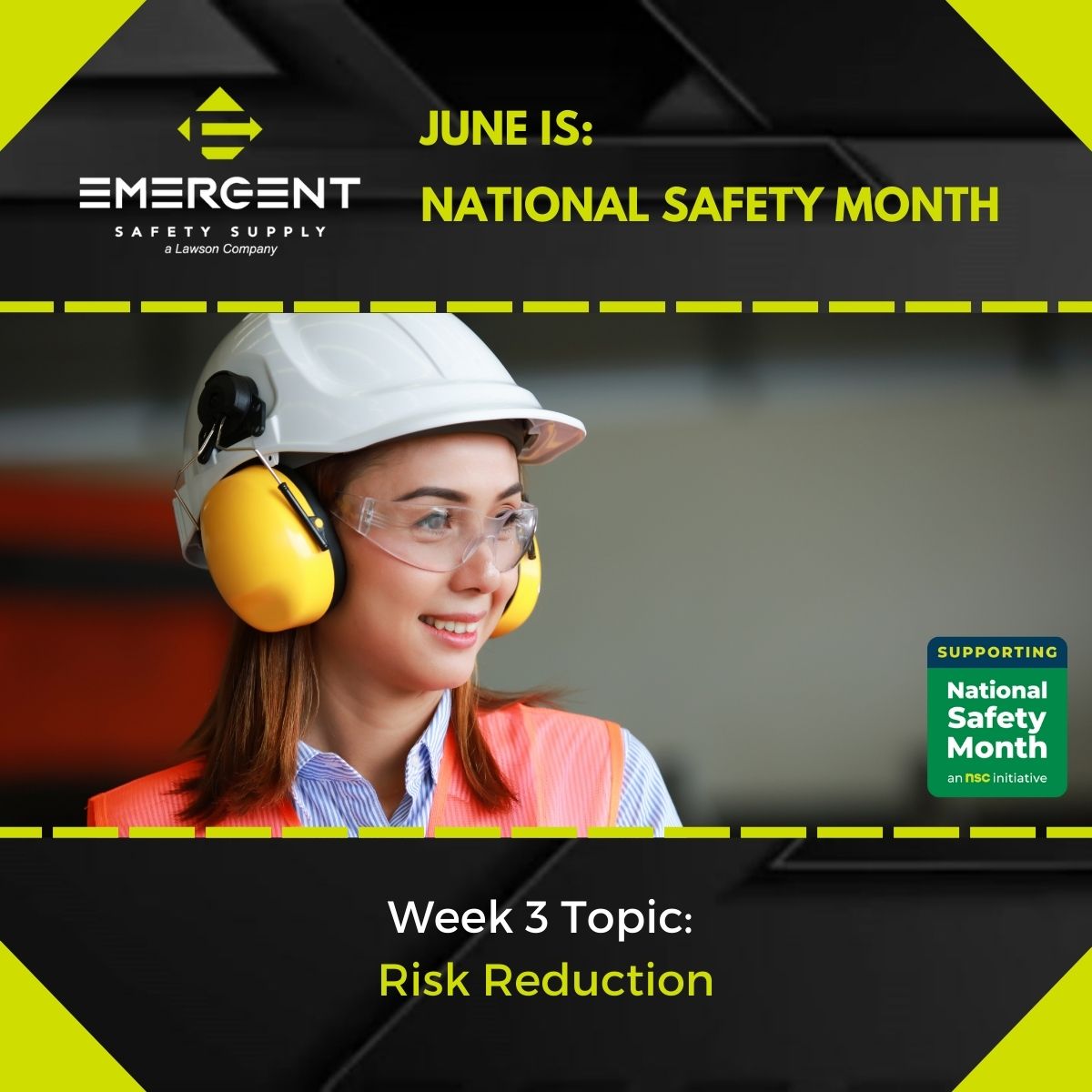
At Emergent Safety Supply, we are committed to minimizing risks in the workplace and fostering a culture of safety that involves everyone, from management to frontline workers. One effective strategy for identifying and addressing hazards is conducting regular safety walkarounds, a collaborative process aimed at proactively mitigating risks.
According to Safety+Health Magazine, safety walkarounds are not solely the responsibility of safety professionals; they involve participation from all levels of an organization. This inclusive approach ensures diverse perspectives and a more comprehensive identification of potential hazards.
Here are key takeaways and strategies from the article that highlight the importance of safety walkarounds in risk reduction:
- Bring a Group: Encourage involvement beyond safety professionals by forming small groups of three to four people or larger groups of eight to ten. This diversity in participation can lead to richer discussions and more thorough hazard identification.
- Reward the Good: Emphasize positive reinforcement during walkarounds by acknowledging good practices alongside pointing out hazards. Consider implementing a "2-to-1" or even "5-to-1" rule, where positive observations are highlighted more frequently than hazards. This approach fosters a supportive environment while maintaining a focus on safety improvements.
- Document Findings: Capture walkaround observations systematically, whether through handwritten notes, photos, or using inspection apps. Documenting findings is essential for tracking progress, identifying trends, and ensuring accountability for addressing identified hazards.
- Prioritize Fixes: After identifying safety issues, prioritize corrective actions based on the level of risk. Immediate dangers should be addressed without delay to ensure the safety of employees. Clear protocols should be in place for handling urgent hazards to prevent accidents.
- Follow-Up and Continuous Improvement: Conduct regular follow-ups after walkarounds to ensure that identified hazards have been resolved effectively. This includes checking back within a week, a month, and three months to verify the effectiveness of implemented solutions and address any emerging risks.
By implementing these strategies, organizations can actively engage employees in risk reduction efforts, foster a positive safety culture, and ultimately create safer workplaces for everyone. At Emergent Safety Supply, we encourage the adoption of proactive measures like safety walkarounds to enhance risk awareness and promote a culture where safety is everyone's responsibility.
Let's work together to prioritize safety, empower our teams, and make meaningful strides in risk reduction for a safer tomorrow.
Reference:
"Safety Walkaround: 5 Tips for a Successful Inspection." Safety+Health Magazine. (https://www.safetyandhealthmagazine.com/articles/23957-safety-walkaround-5-tips)