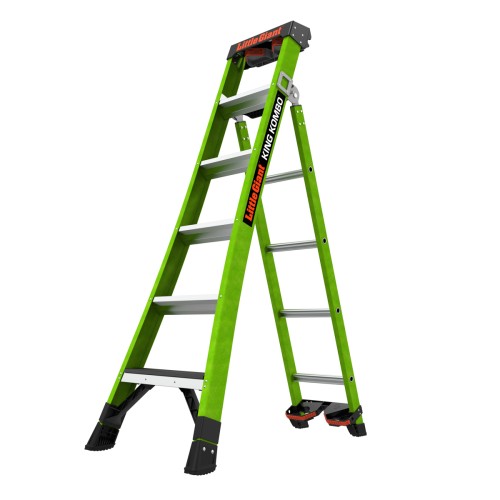
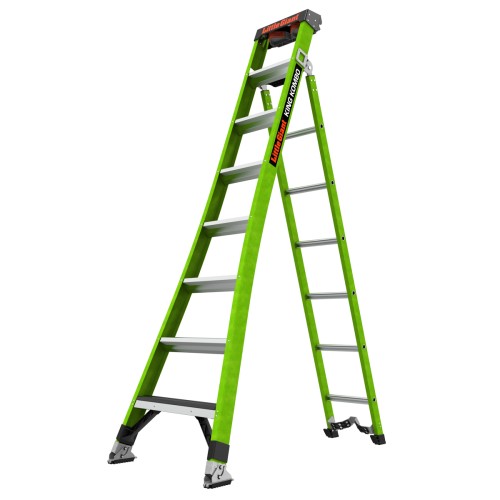
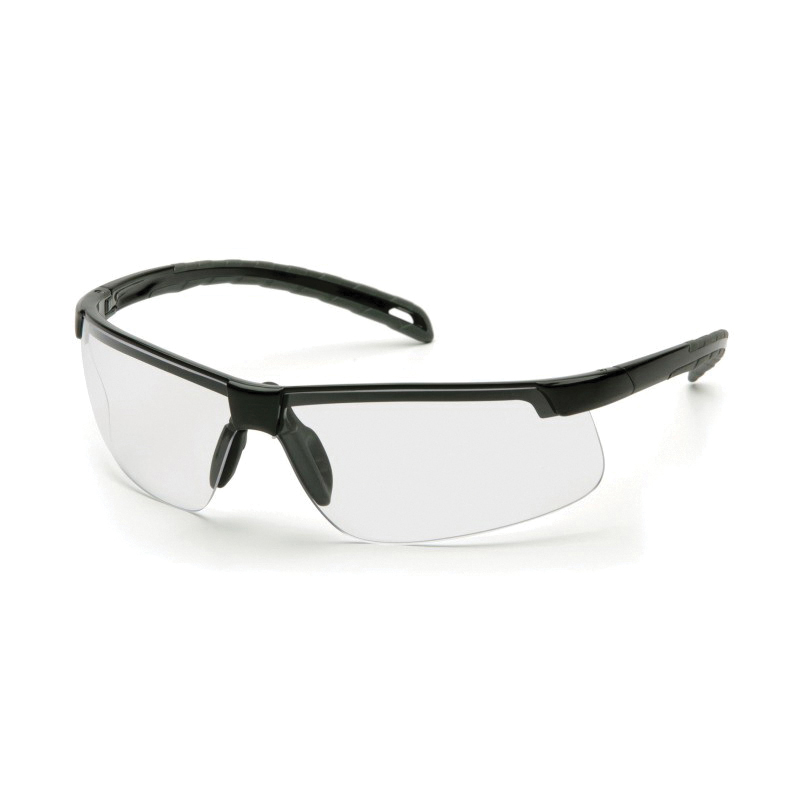
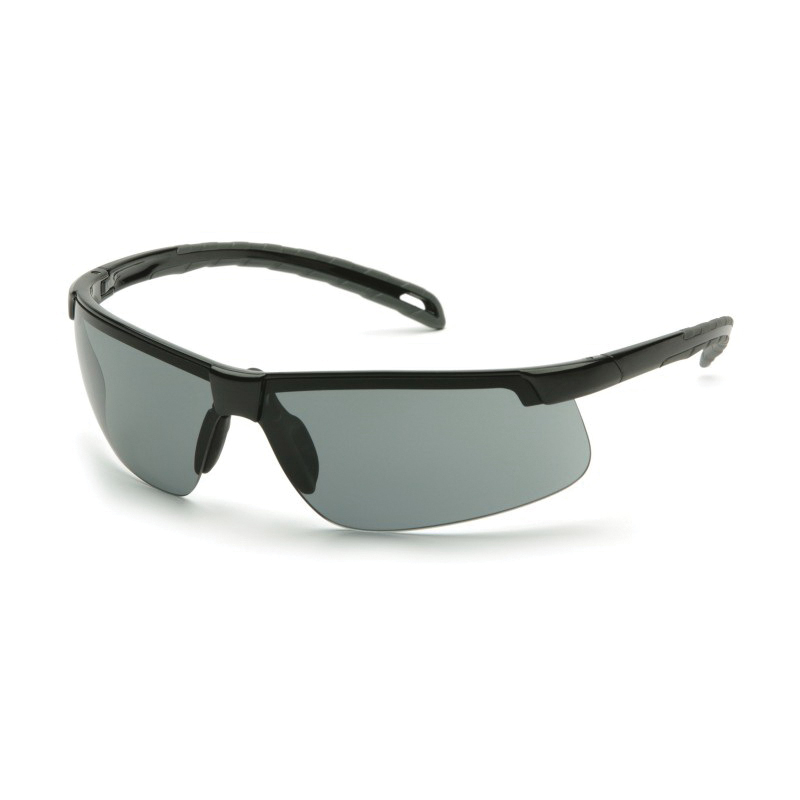
March is National Ladder Safety Month and Workplace Eye Wellness Awareness Month. Emergent Safety prides ourselves on continuously educating our customers on workplace safety initiatives.
The ALI (American Ladder Institute) states, National Ladder Safety Month as “the only program dedicated exclusively to promoting ladder safety, at home and work.” Emergent Safety provides a wide range of ladders, suitable for many different types of work. Below are some tips from OSHA to keep in mind while using a ladder:
- Read and follow all labels/markings on the ladder.
- Avoid electrical hazards! – Look for overhead power lines before handling a ladder. Avoid using a metal ladder near power lines or exposed energized electrical equipment.
- Always inspect the ladder prior to using it. If the ladder is damaged, it must be removed from service and tagged until repaired or discarded.
- Always maintain a 3-point (two hands and a foot, or two feet and a hand) contact on the ladder when climbing. Keep your body near the middle of the step and always face the ladder while climbing (see diagram).
- Only use ladders and appropriate accessories (ladder levelers, jacks or hooks) for their designed purposes.
- Ladders must be free of any slippery material on the rungs, steps or feet.
- Do not use a self-supporting ladder (e.g., step ladder) as a single ladder or in a partially closed position.
- Do not use the top step/rung of a ladder as a step/rung unless it was designed for that purpose.
- Use a ladder only on a stable and level surface, unless it has been secured (top or bottom) to prevent displacement.
- Do not place a ladder on boxes, barrels or other unstable bases to obtain additional height.
- Do not move or shift a ladder while a person or equipment is on the ladder.
- An extension or straight ladder used to access an elevated surface must extend at least 3 feet above the point of support (see diagram). Do not stand on the three top rungs of a straight, single or extension ladder.
- The proper angle for setting up a ladder is to place its base a quarter of the working length of the ladder from the wall or other vertical surface (see diagram).
- A ladder placed in any location where it can be displaced by other work activities must be secured to prevent displacement or a barricade must be erected to keep traffic away from the ladder.
- Be sure that all locks on an extension ladder are properly engaged.
- Do not exceed the maximum load rating of a ladder. Be aware of the ladder's load rating and of the weight it is supporting, including the weight of any tools or equipment.
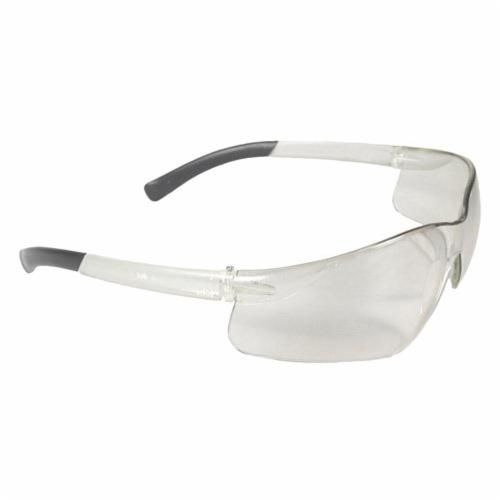
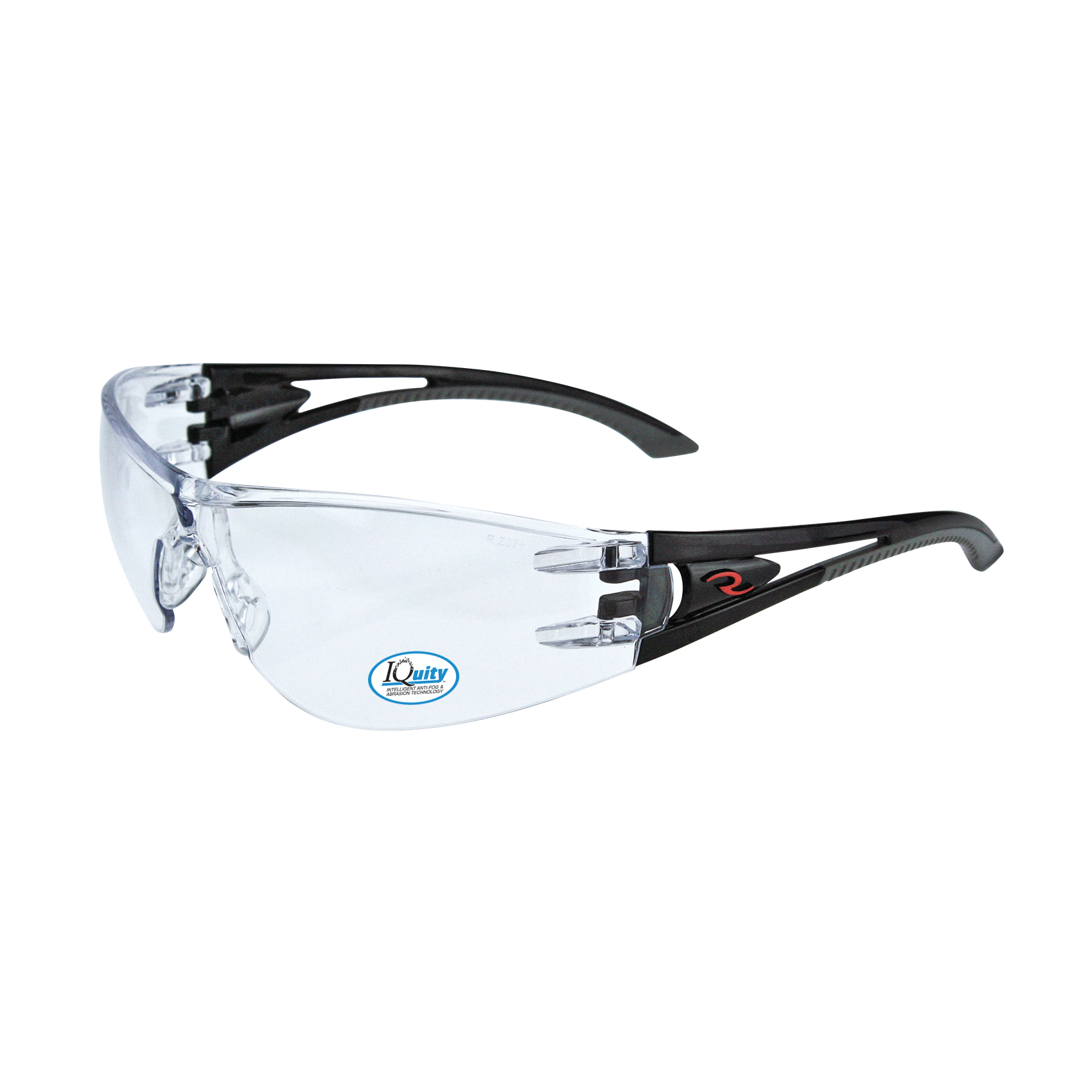
March is also Workplace Eye Wellness Month. It is important to take proper precautions and wear your safety glasses. The US Bureau of Labor Statistics states, “there were 15,730 eye injuries involving days away from work in 2020.”
Emergent Safety offers eyewear and face protection for all aspects of work. If you are having trouble deciding what safety eyewear is appropriate for your facility, contact your safety specialist or call Emergent Safety directly at 800-877-1390.
Hopkins Medical has outlined some tips on how to keep your jobsite safe from Jobsite eye injuries:
- Educate and train all employees on dangers specific to your workplace.
- Instill procedures that encourage safety throughout the workplace. This should include information on where protective equipment, first-aid kits and emergency eye wash stations are located.
- Ensure employees working in hazardous environments have access to and are wearing eye safety equipment at all times.
- Install barriers such as shields in areas prone to flying debris and dust.
Please reach out to us if you have any questions regarding eye or ladder safety, we are always here to help (800.877.1390). Below are some of our top selling safety glasses and ladders.